Medically reviewed by Dr. Joey Gaines, DVM, Chief Veterinary Officer, Omaha Vets Group
Omaha summers bring heat that can turn dangerous fast for dogs and cats. As temperatures climb across the metro, your pet's hydration, paw health, and ability to regulate body temperature all need extra attention. The team at Omaha Vets Group put together these practical, vet-backed tips to help your pet stay safe and comfortable all season long.
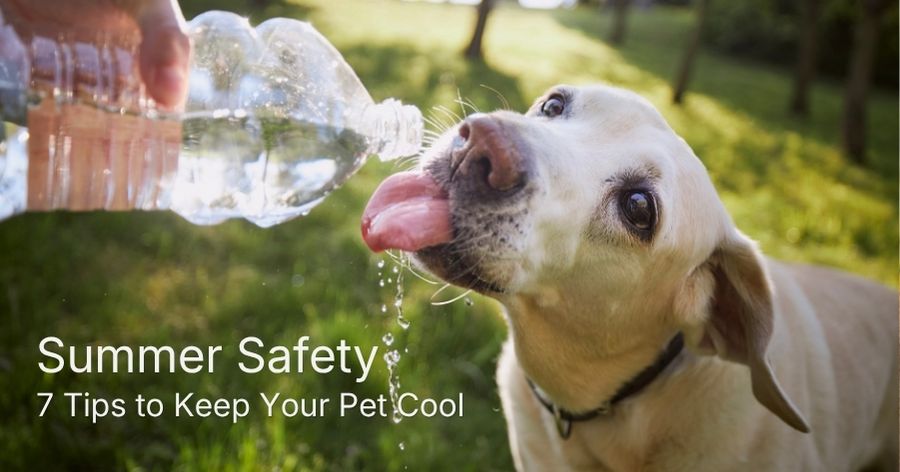
Fresh, cool water should be available to your pet at all times. Pets can become dehydrated quickly in high temperatures. A circulating pet water fountain can encourage more frequent drinking and help keep water cool longer, making it easier for your dog or cat to stay properly hydrated throughout the day. Learn more with our guide to pet dehydration.
Avoid walking dogs during the hottest part of the day, typically from 10am-5pm. Pavement and asphalt retain heat and can burn your dog's paw pads in seconds. A simple test: press the back of your hand to the surface for five seconds. If it's too hot for your hand, it's too hot for your dog's paws. Opt for early morning or after-sunset walks whenever possible.
Always provide cool, shaded areas when outdoors. Umbrellas, shade sails, or pop-up canopies work well in yards without natural tree cover. And a critical reminder: never leave a pet in a parked car, even briefly, even with windows cracked. Vehicle interiors can reach life-threatening temperatures within minutes.
Frozen snacks are an effective and tasty way to help pets cool down from the inside out. Safe options include frozen low-sodium broth cubes, blended frozen banana, or homemade "pup-sicles" made with plain pet-safe yogurt and dog-friendly fruit. Always verify ingredients are safe for your specific pet before offering new foods. For a list of food to avoid feeding your pet, visit aspca.org.
Knowing the early warning signs of overheating can prevent a veterinary emergency. Watch for excessive panting, drooling, dry or pale gums, sunken eyes, weakness, or disorientation. If you notice any of these symptoms, move your pet to a cool environment immediately and contact your veterinarian right away. Heat exhaustion can escalate to heatstroke quickly.
Cooling mats, wet bandanas, and damp towels placed on your pet's neck, armpits, and belly can help lower body temperature efficiently. A light mist of cool (not ice cold) water is also effective, particularly for dogs. These tools are especially useful for flat-faced breeds like bulldogs and pugs, which are more prone to heat-related breathing issues.
A wellness exam is one of the best investments you can make in your pet's health. Our metro Omaha veterinarians will update vaccinations, screen for parasites, evaluate dental health, and assess skin and coat condition, all while addressing any concerns specific to your pet's breed, age, or health history.
Even with the best precautions, heat emergencies can happen. Knowing how to respond quickly can make a critical difference in your pet's outcome. If you suspect your dog or cat is suffering from heatstroke, act immediately.
Get your pet out of the heat right away. Bring them indoors to an air-conditioned space or at minimum into a shaded area with airflow. Every minute in the heat worsens the situation.
Apply cool, not ice cold, water to your pet's body, focusing on the neck, armpits, groin, and paw pads. Use a damp towel or gentle misting. Avoid ice or very cold water, which can cause blood vessels to constrict and actually slow the cooling process. Place a fan nearby if available.
If your pet is conscious and able to swallow, offer small sips of cool water. Do not force them to drink, and do not offer large amounts at once. Heatstroke and dehydration often occur together. Learn more about recognizing and responding to dehydration in our pet dehydration guide.
Even if your pet appears to be recovering, heatstroke causes internal damage that isn't always visible. Call Ridgeview Animal Hospital at 402-333-3366 as soon as possible. Our team can guide you through next steps and let you know whether your pet needs to be seen urgently.
Bring your pet in immediately if you observe any of the following:
“Heatstroke in pets can go from concerning to critical in a matter of minutes. If your pet shows any signs of overheating, call your vet immediately."
— Dr. Joey Gaines, DVM, Chief Veterinary Officer, Omaha Vets Group
Heatstroke is a medical emergency. Fast action and calling your veterinarian are the two most important things you can do.
A little preparation goes a long way when Omaha temperatures climb. Whether you need a wellness exam, have concerns about your pet's hydration, or want personalized guidance for your dog or cat's specific needs, our team is here to help. Call 402-333-3366 or book your appointment online.